Today’s adventure was to Santa Maria De Leuca. Santa Maria di Leuca is the southernmost coastal hamlet in the Salento peninsula of Apulia, famous for the Basilica of Santa Maria de Finibus Terrae and its majestic lighthouse marking where the Adriatic and Ionian seas meet.
It took us 1 1/2 hours to get there from Lecce. On the way we went through this little town called Galatina. We were hungry so we were looking for a Pasticceria (pastry shop) but instead found this Panaficio (bread shop). We had the most delicious pasta and bread.
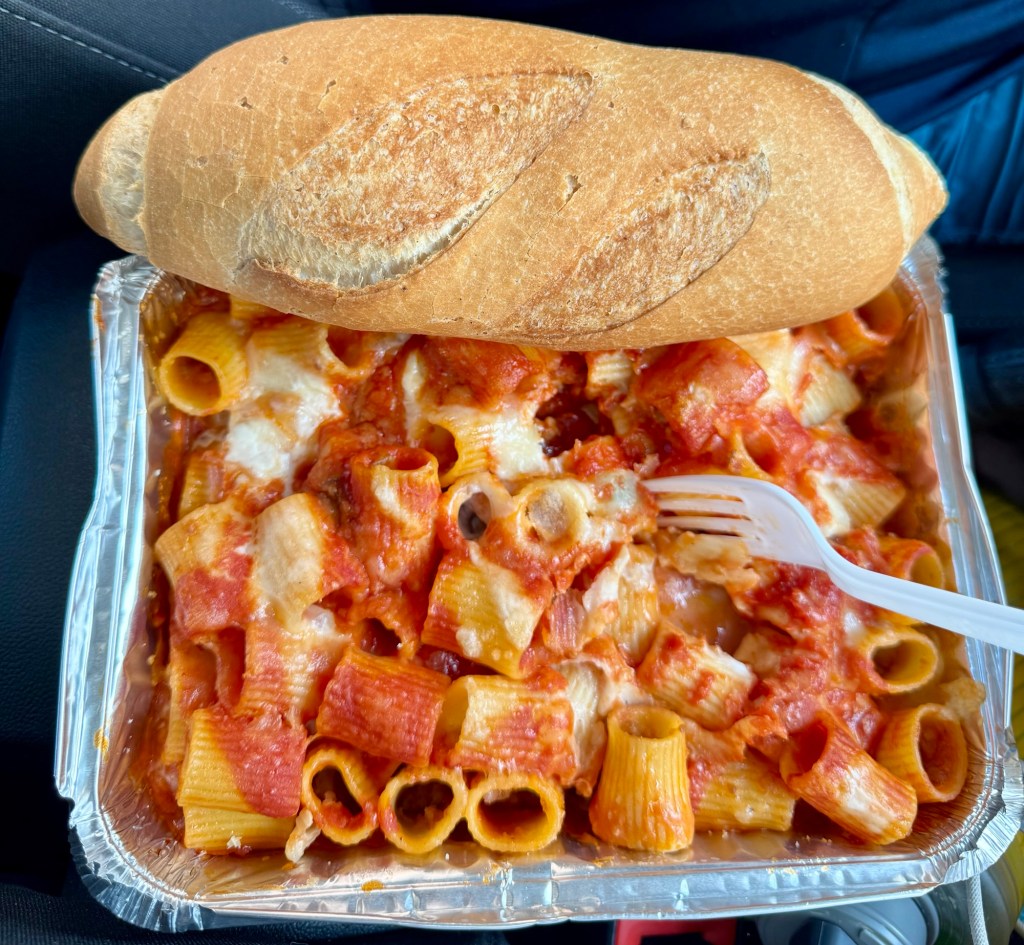
The woman who helped us was named Giulia.
We finally reached Leuce and after a struggle to find our boat we ended up finding Ricardo.
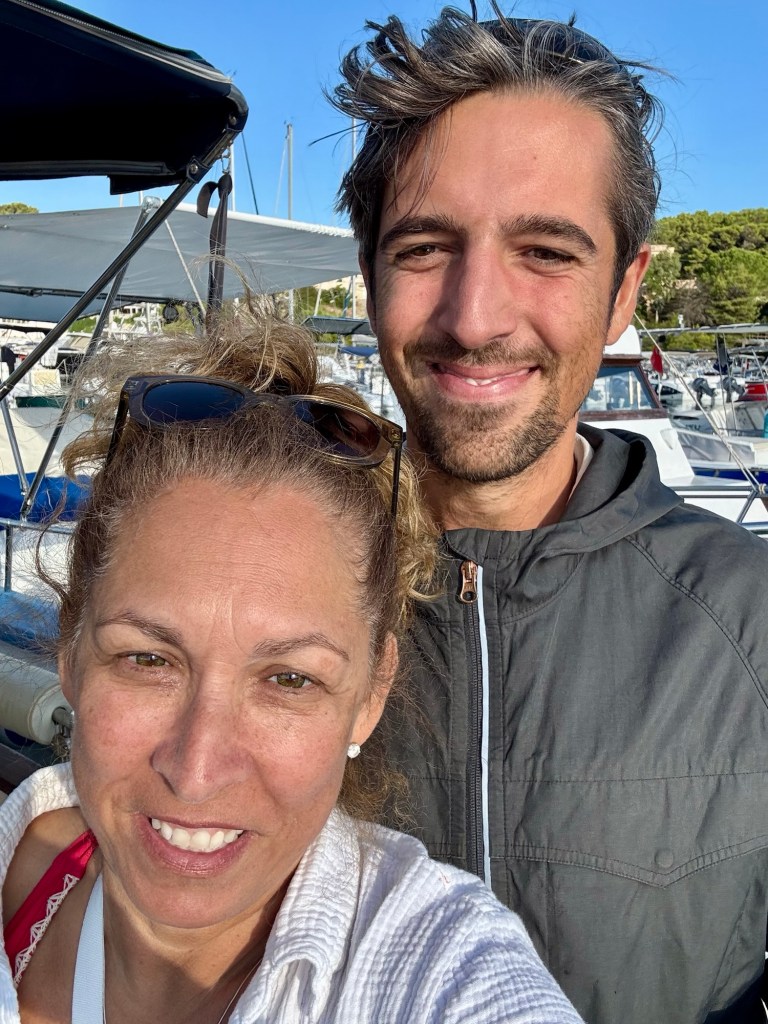
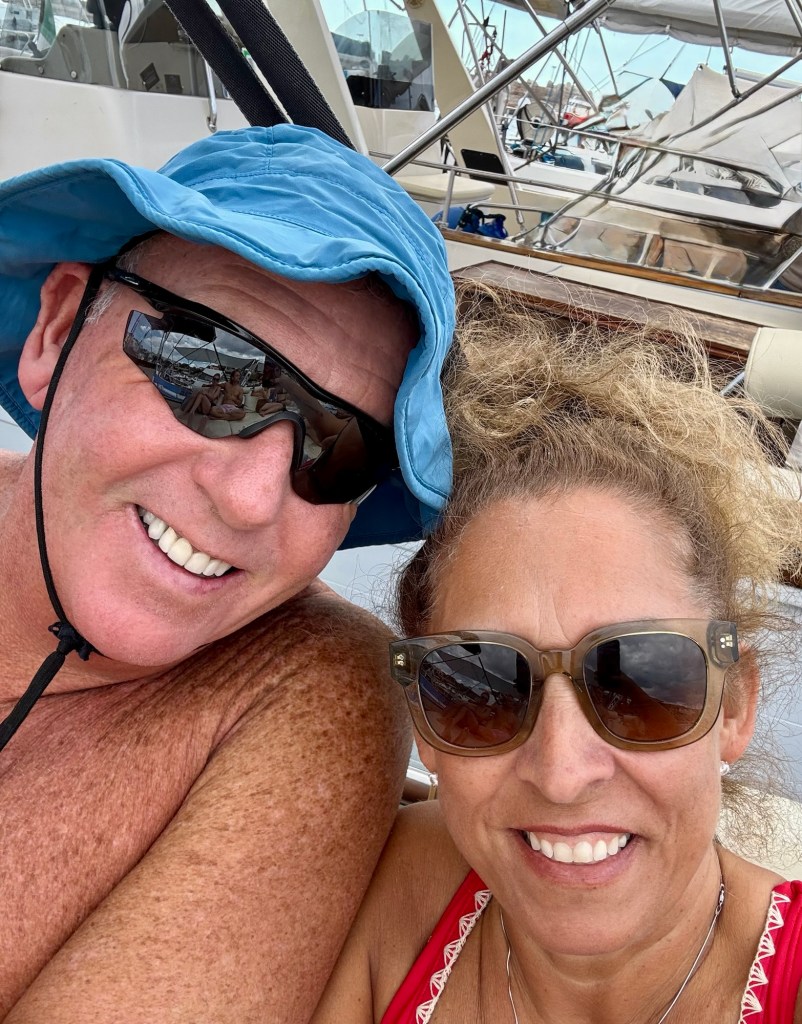
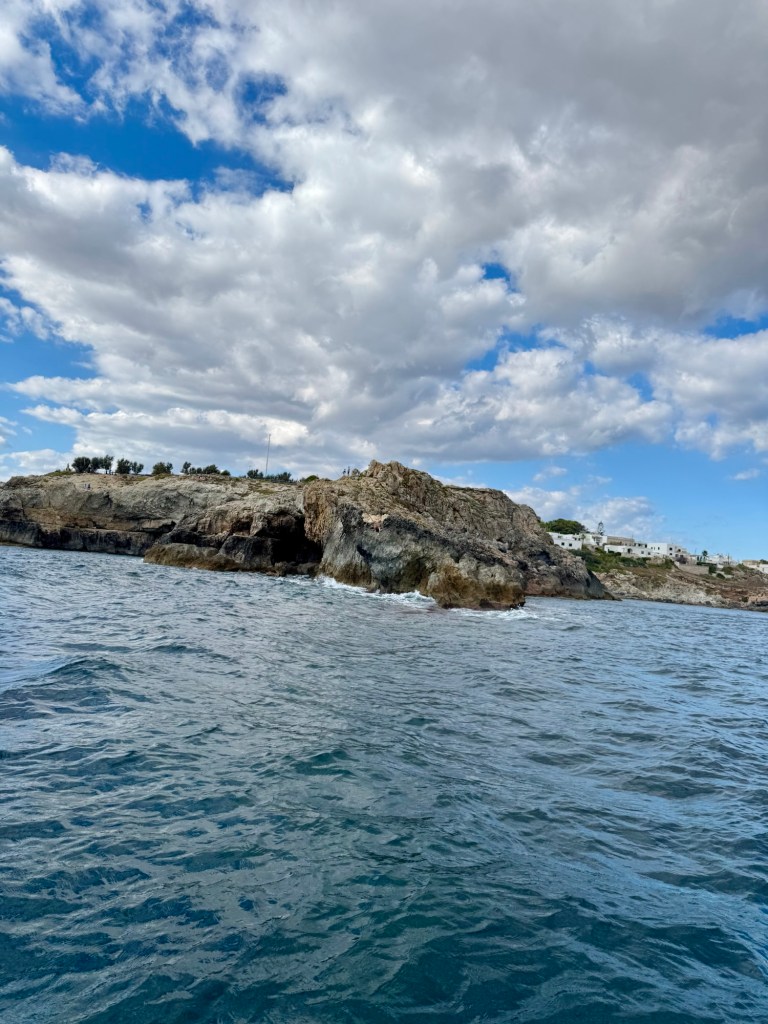
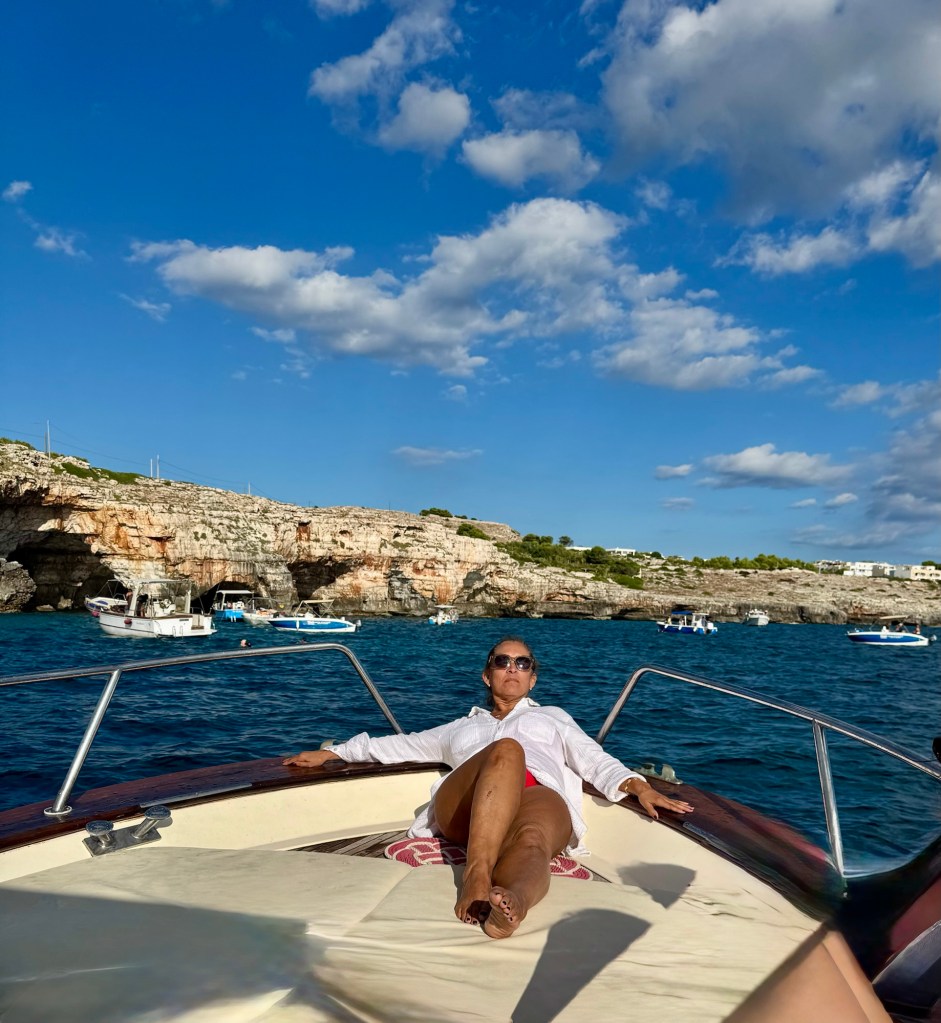
We went on a 3 hour boat ride through the Adriatic and Ionian Sea. There is a lighthouse that designates where the 2 seas meet.
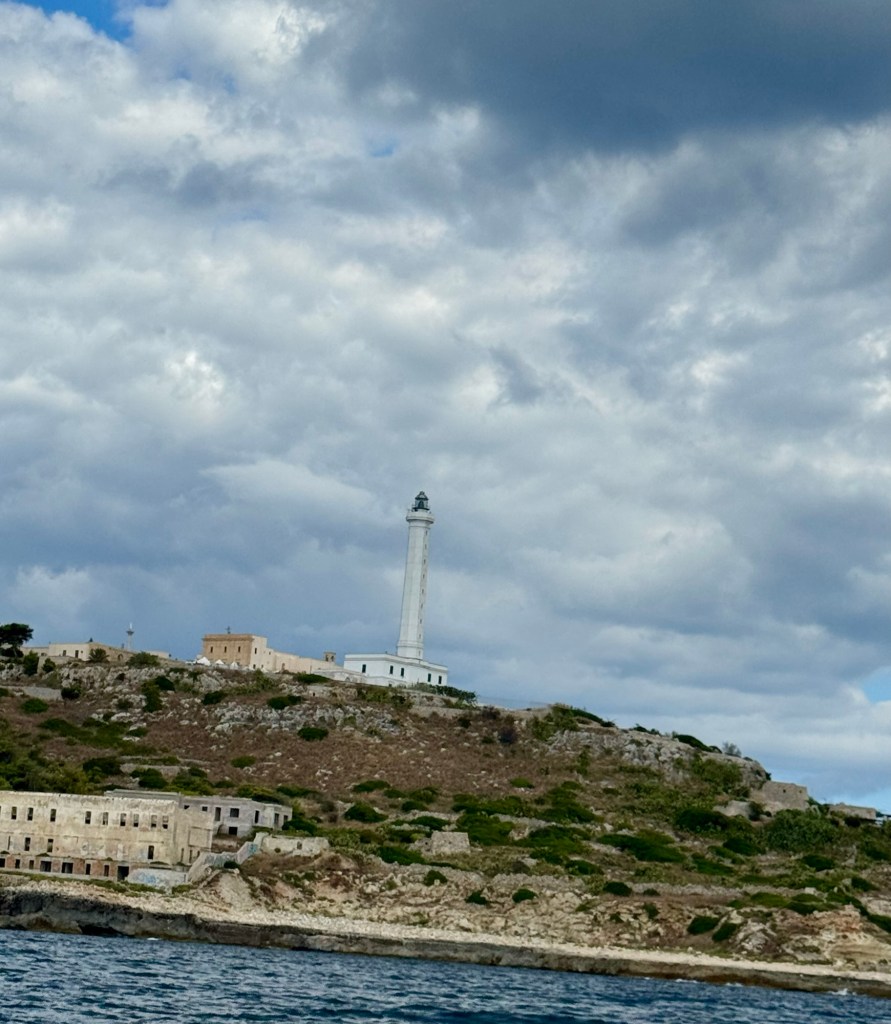
The Faro di Capo Santa Maria di Leuca is a monumental 48.6-meter-high hexagonal stone lighthouse located on the scenic Punta Meliso promontory in Santa Maria di Leuca, Castrignano del Capo, marking the southernmost tip of Salento where the Ionian and Adriatic seas meet.
In front of the lighthouse is the monumental lighthouse.
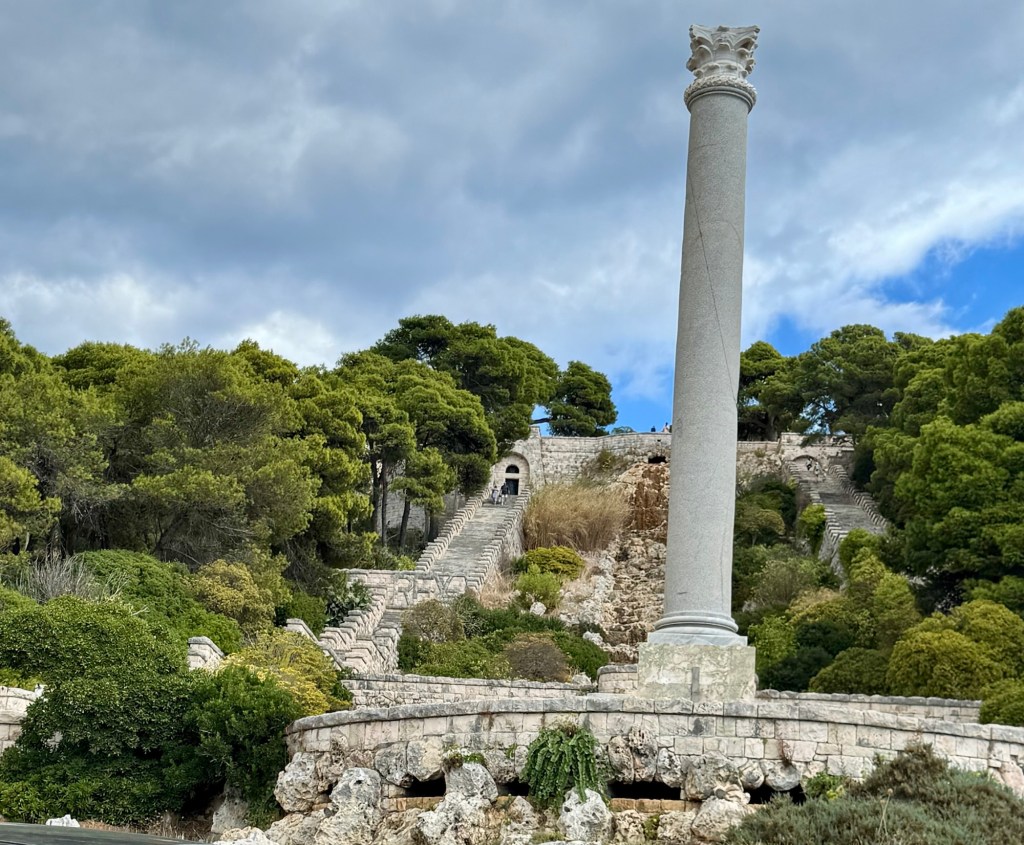
In the famous Santa Maria di Leuca, the extreme edge of Puglia and in particular of Salento, there are still works dating back to the fascist period such as the monumental waterfall at Santa Maria di Leuca.
This is the case of the monumental waterfall, an imposing work, finished in 1939; which boasts a length of over 250 meters and a vertical drop of about 120 meters, with a flow rate of 1,000 liters per second that ends directly in the sea.
The waterfall represents the last term of an even more sumptuous work, that is that of the Apulian Aqueduct; the greatest infrastructure of water-drinking supply to European level, constructed during the first decades of the twentieth century; consisting of a series of ‘trunks’ thus allowing water supply to over 300 municipalities.
Santa Maria di Leuca
Perfectly set between the rock and the Mediterranean maquis, its staircase ends with the Roman column, installed by Benito Mussolini.
Narrow between two wide flights of stairs that with their 300 steps allow visitors to admire the top; the work is lit only in particular periods that are concentrated especially in the hottest months of the year.
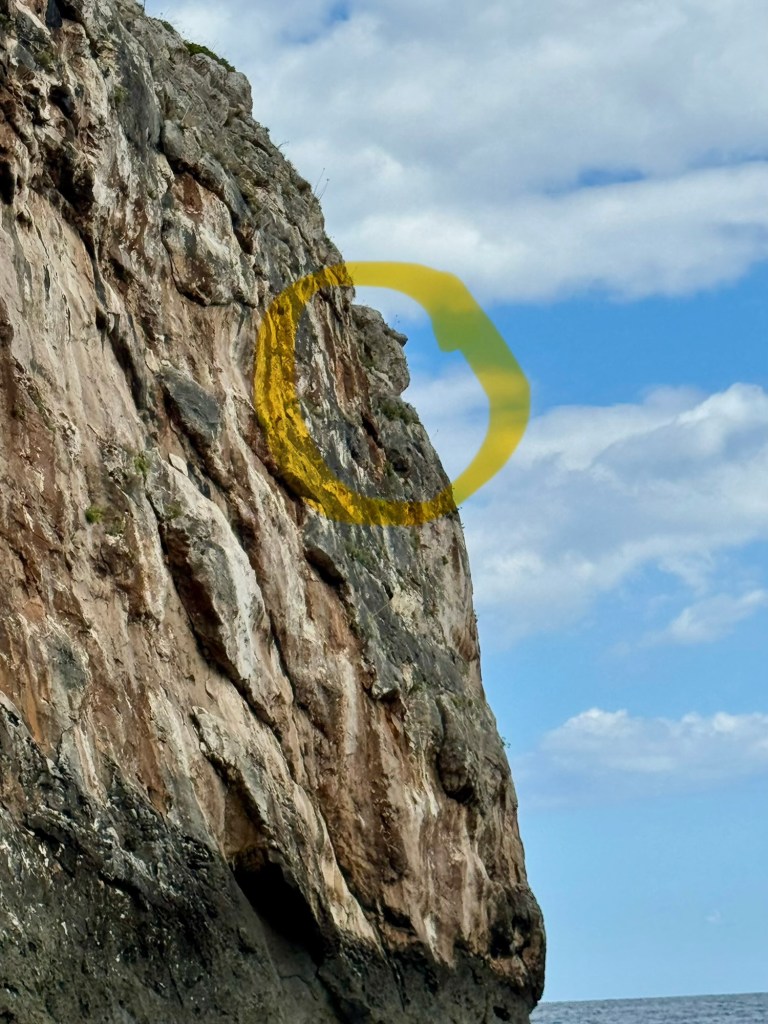
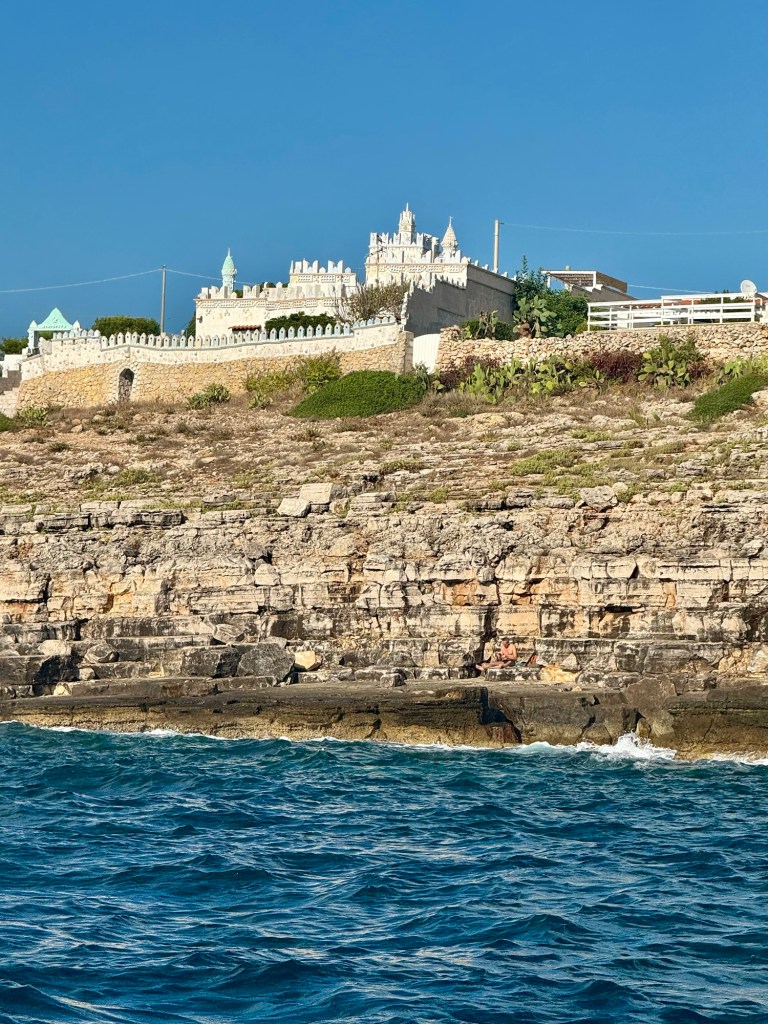
From the boat we also saw dry walls. Nobody knows who put them there. They were designed as terraces so they could grow gardens along them.
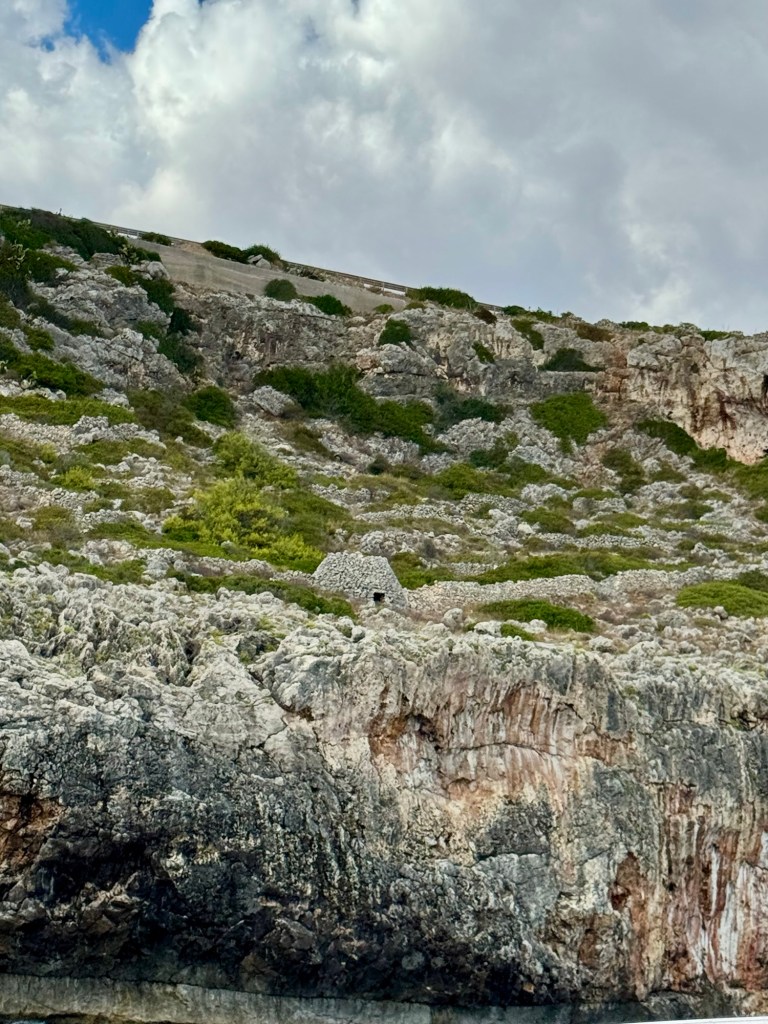
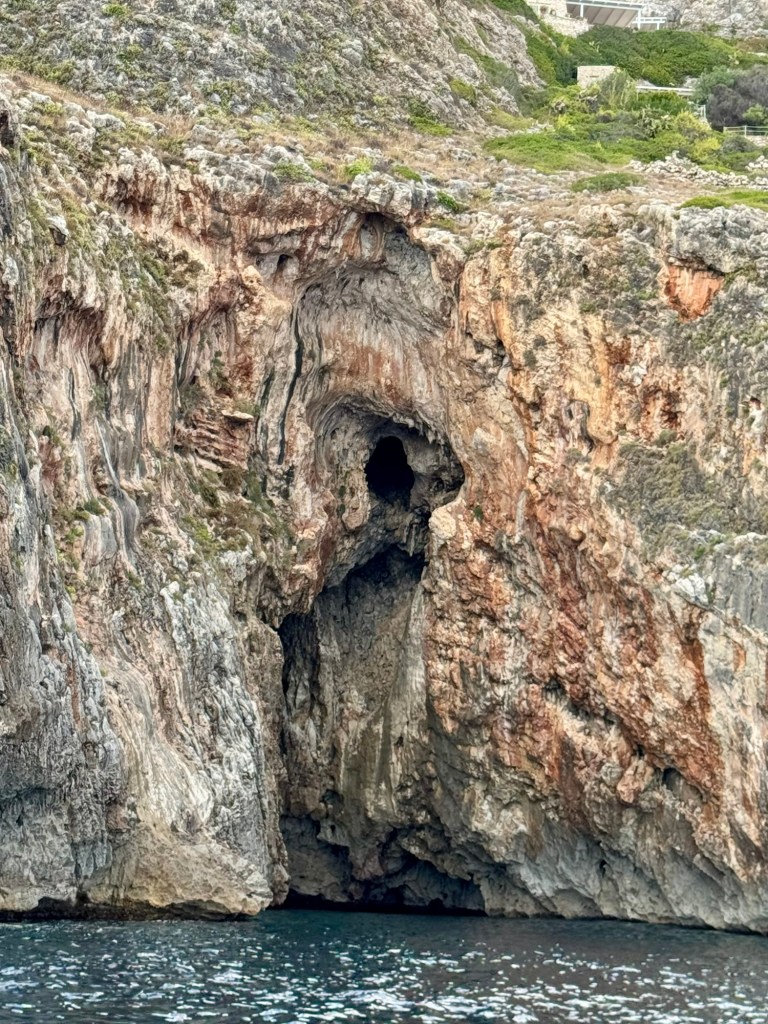
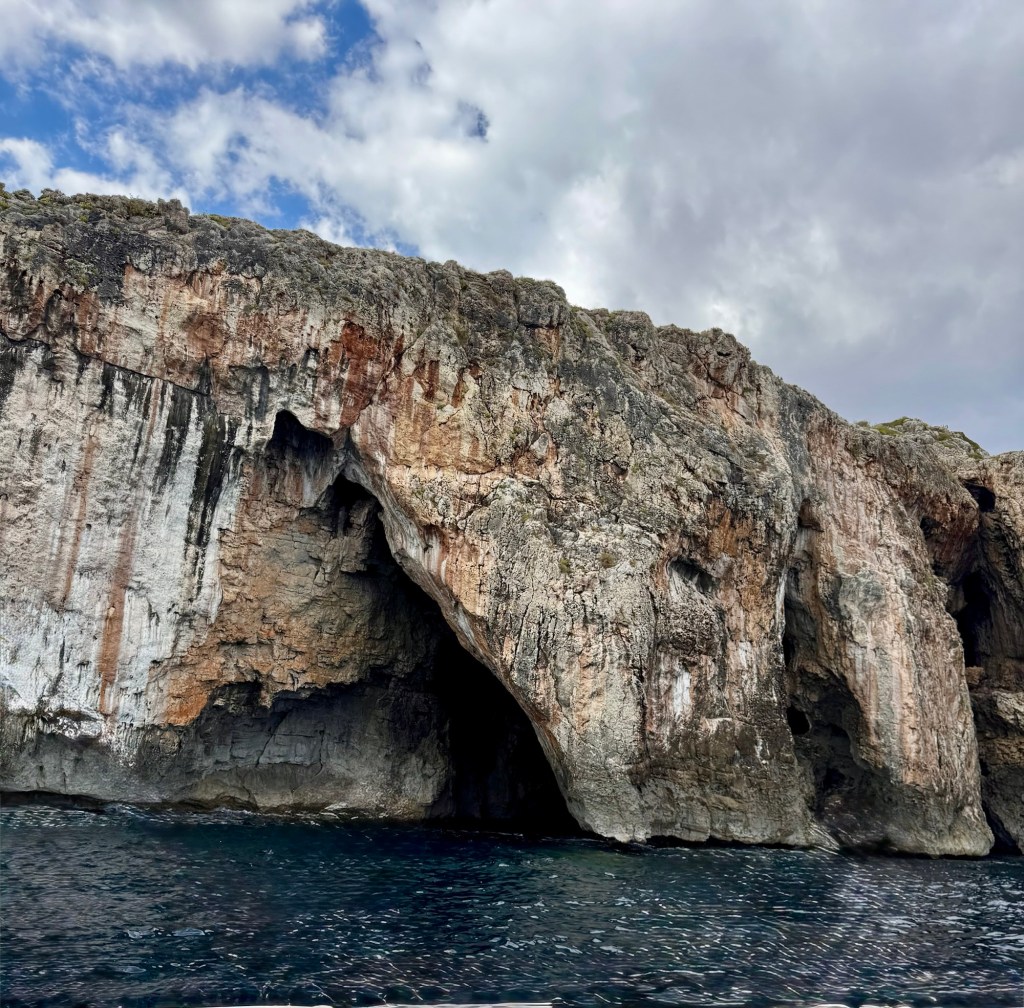
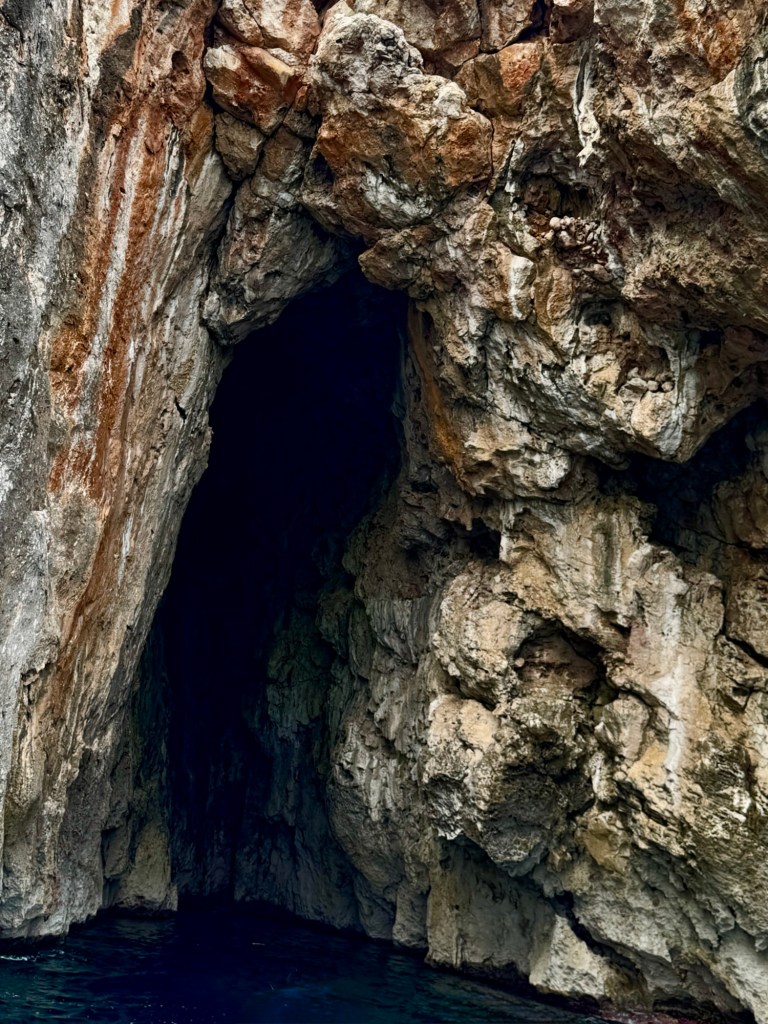
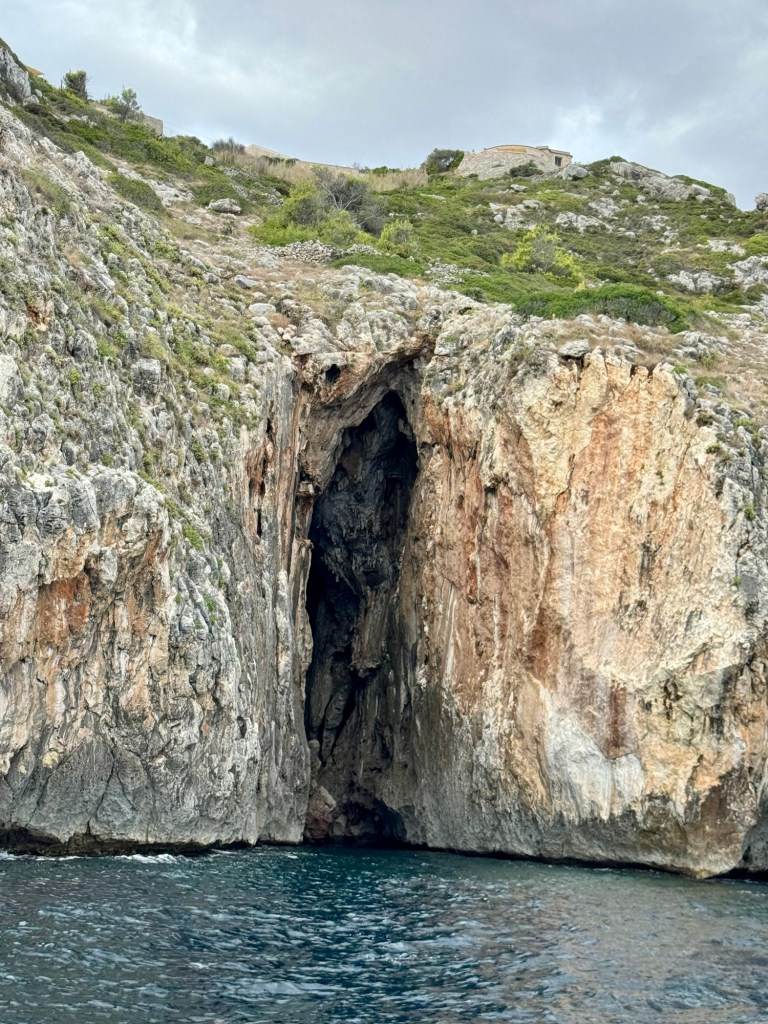
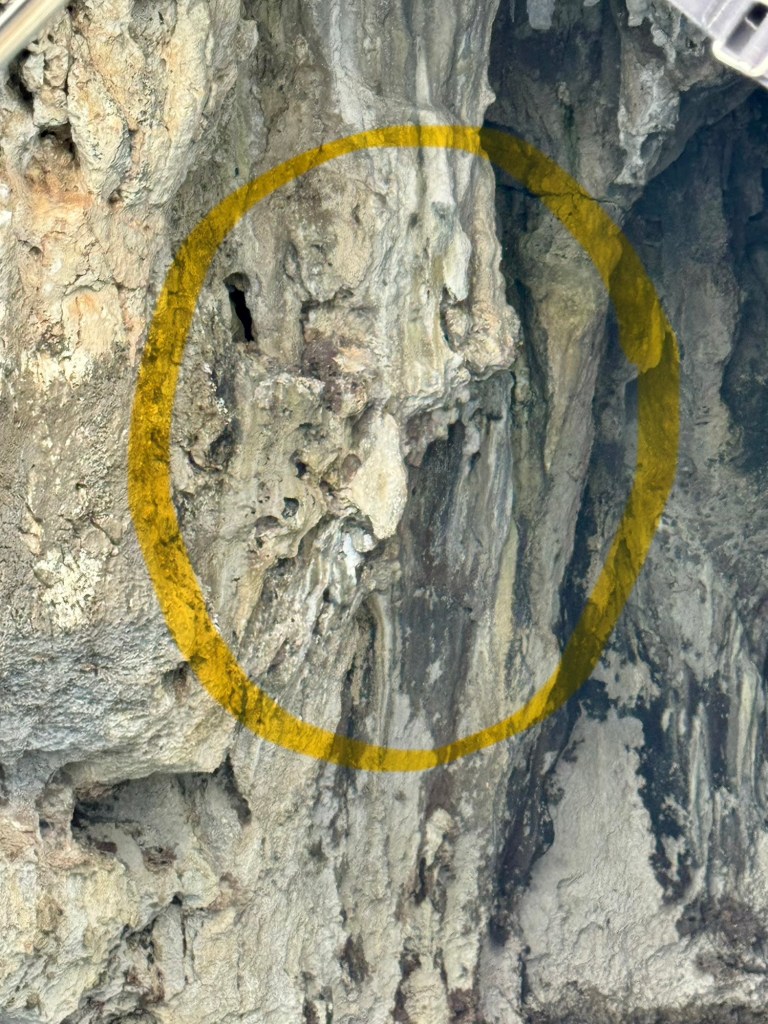
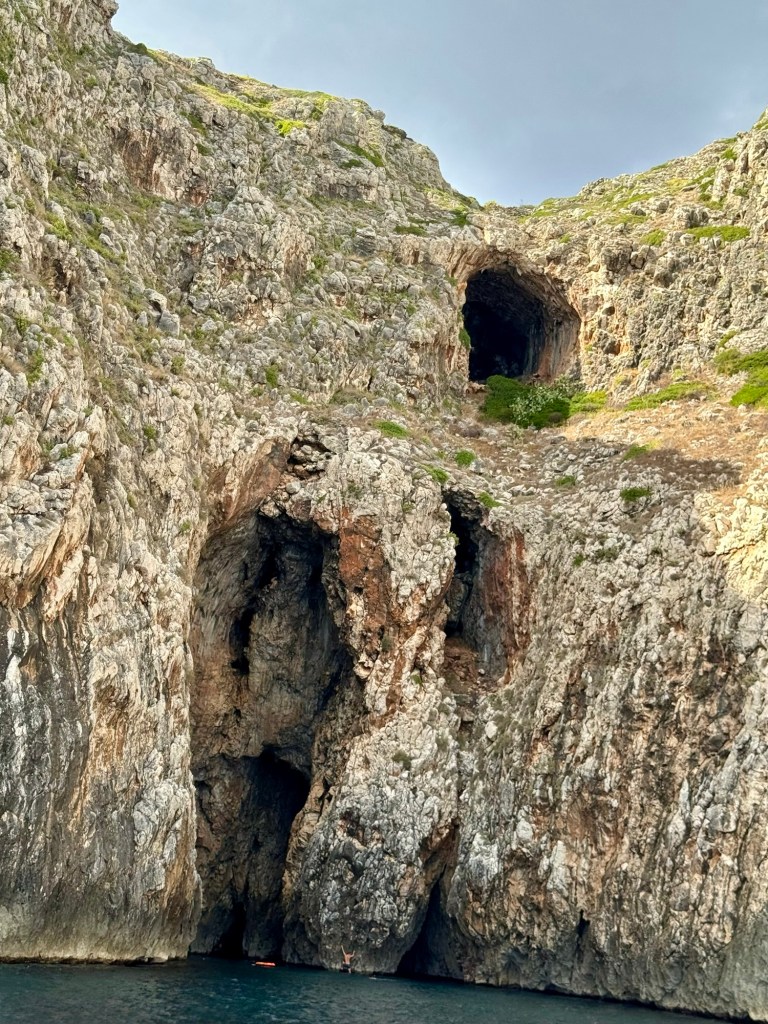
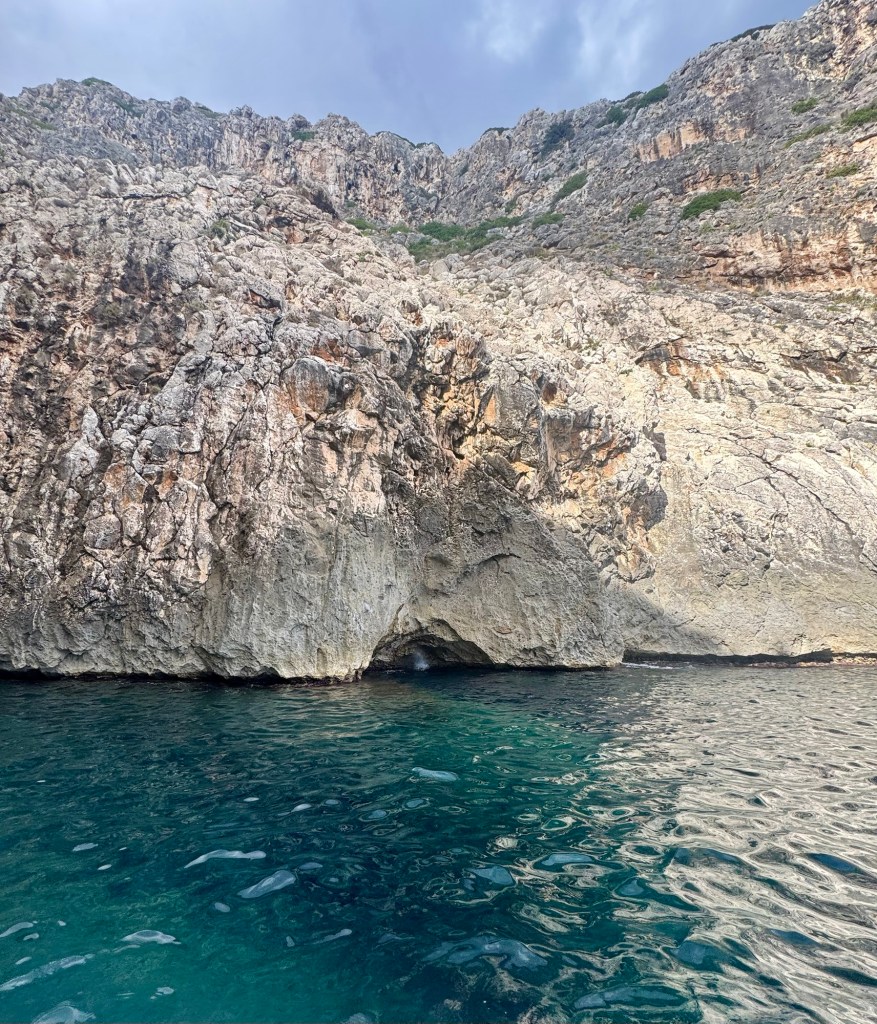
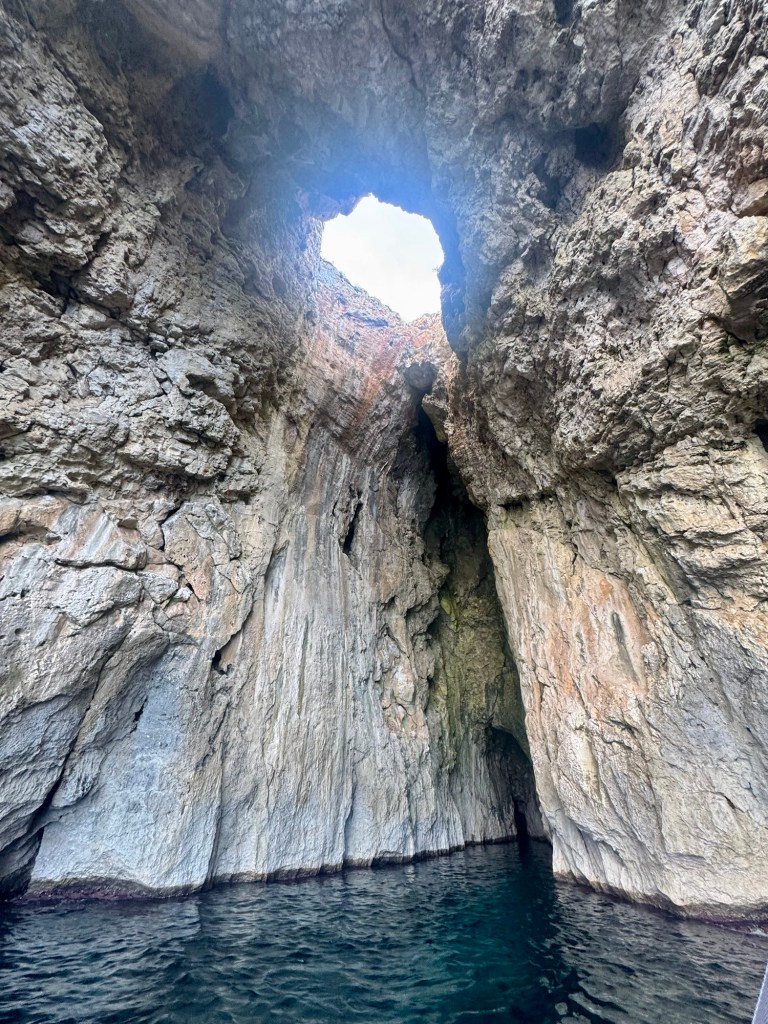
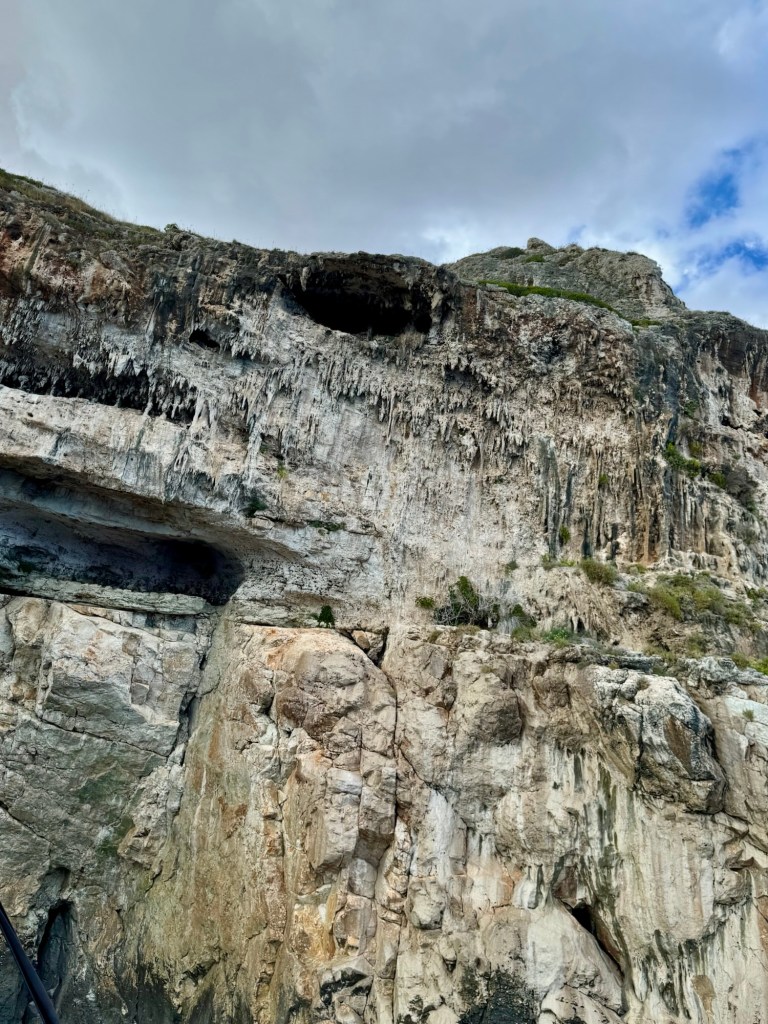
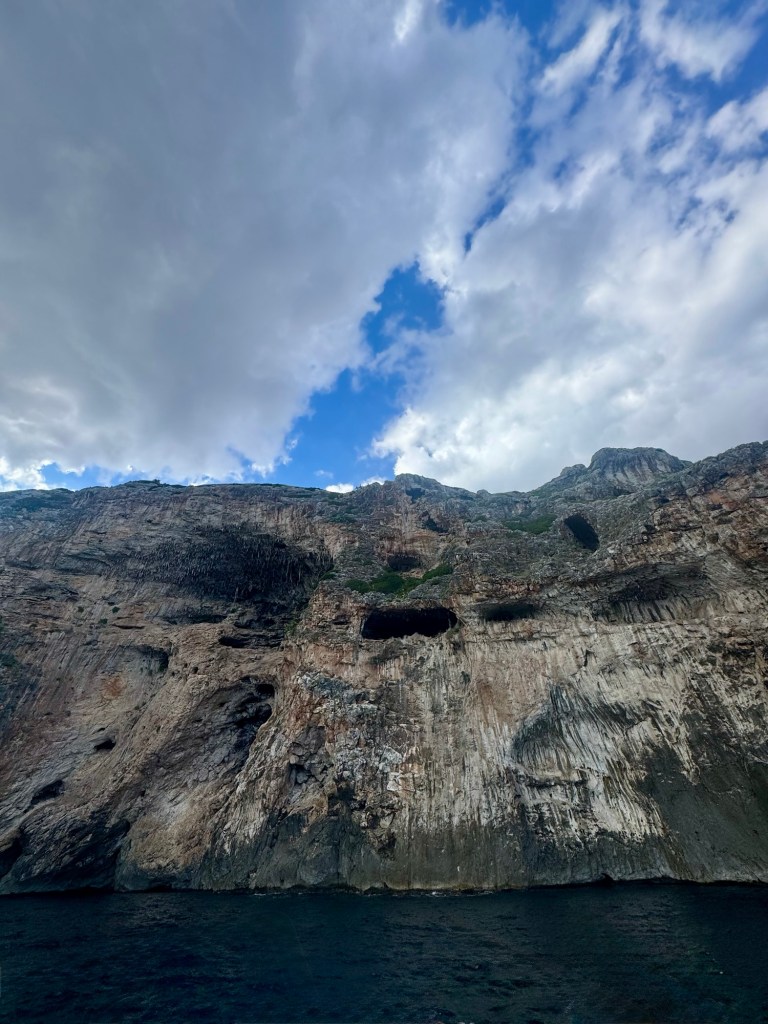
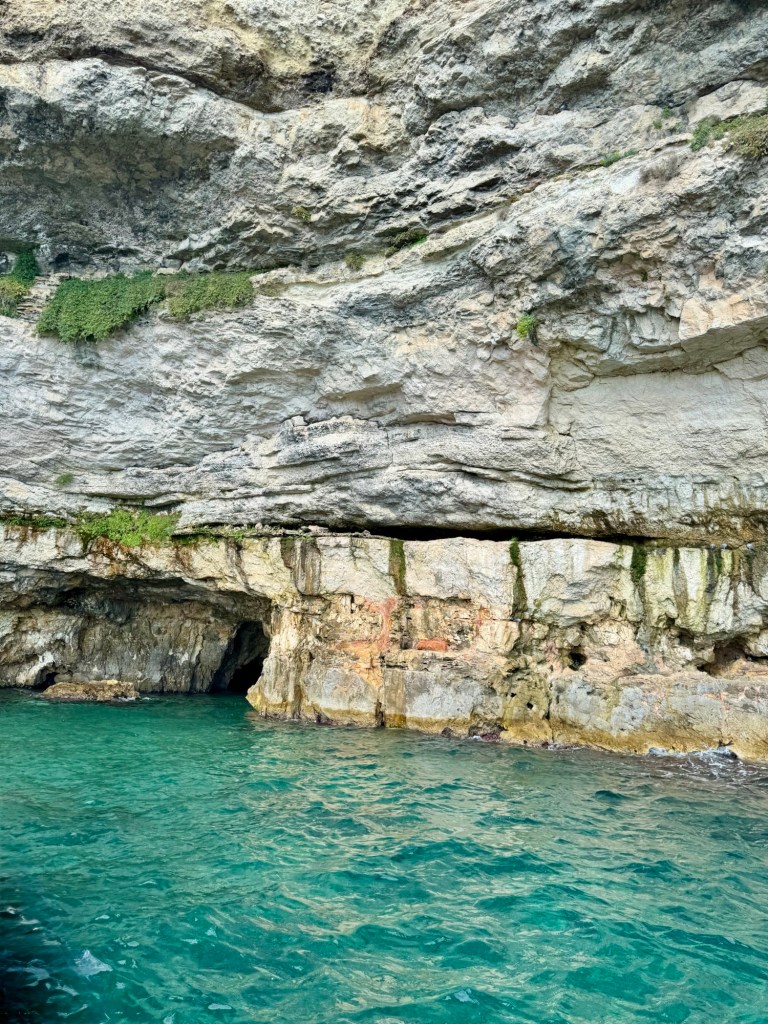
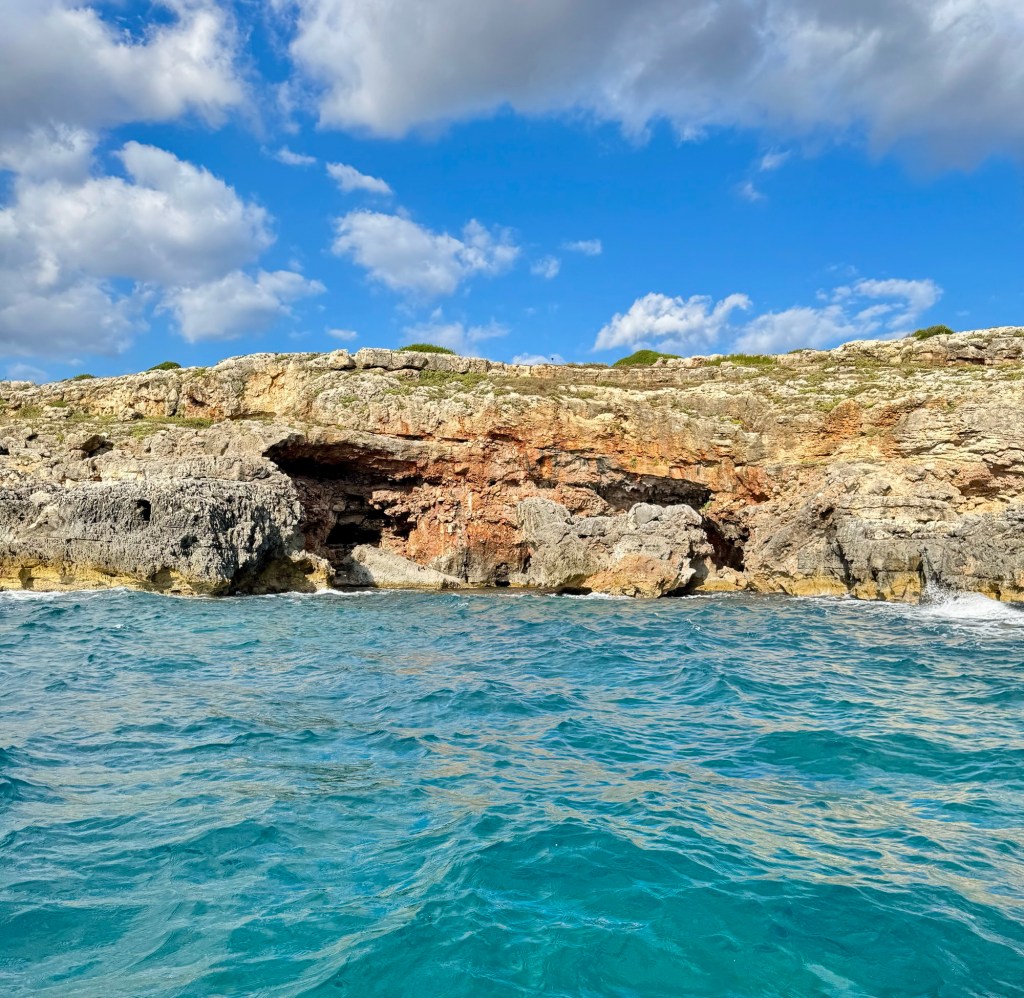
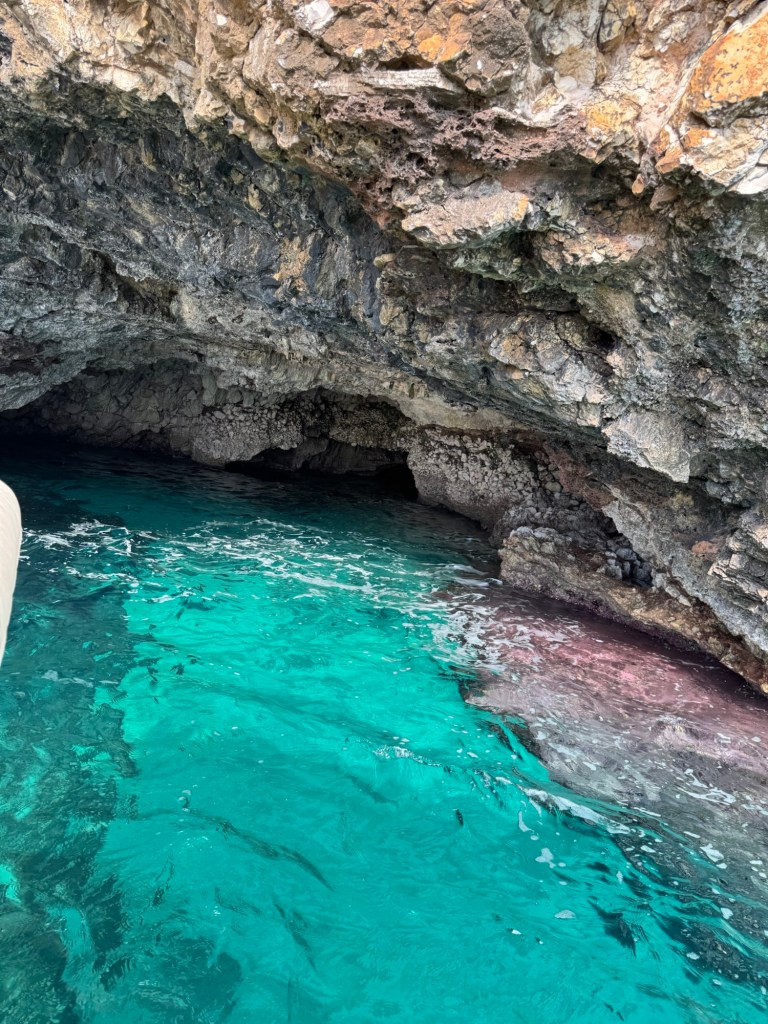
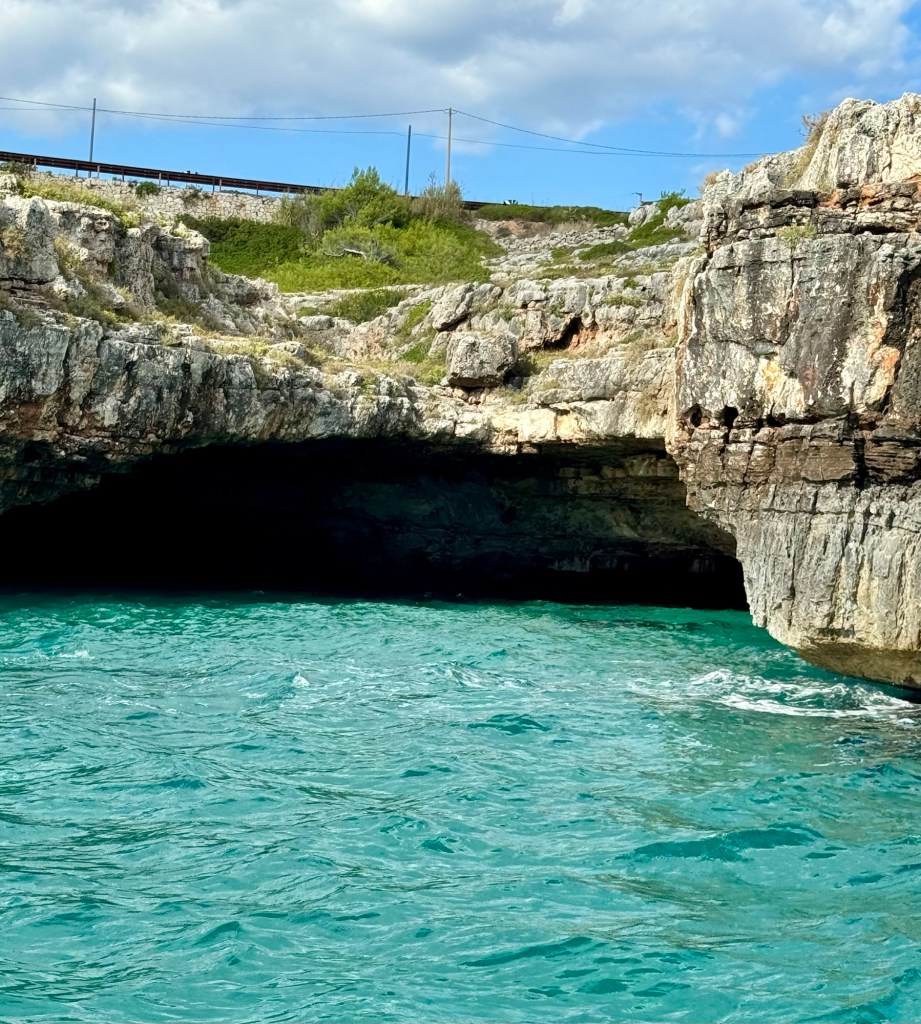
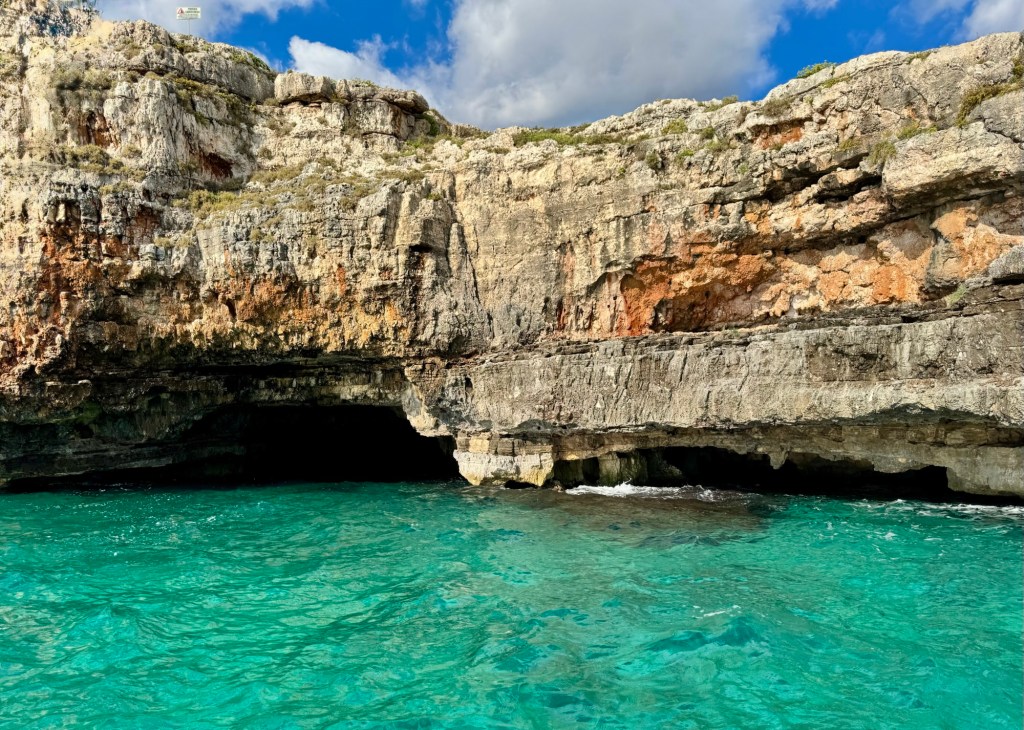
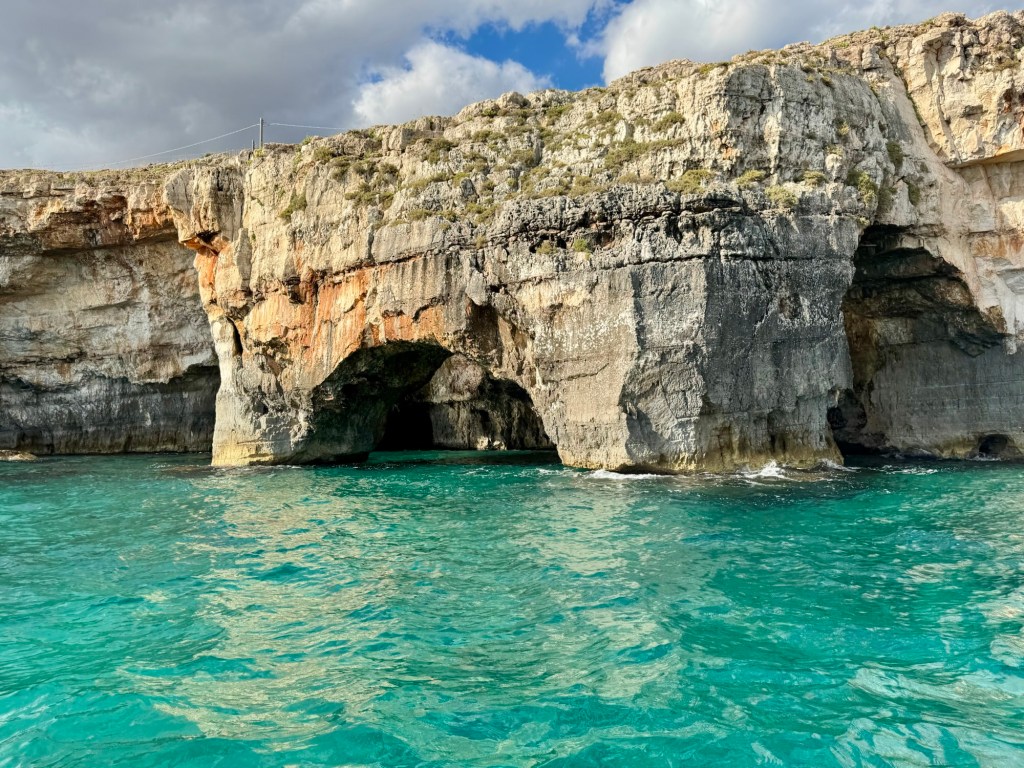
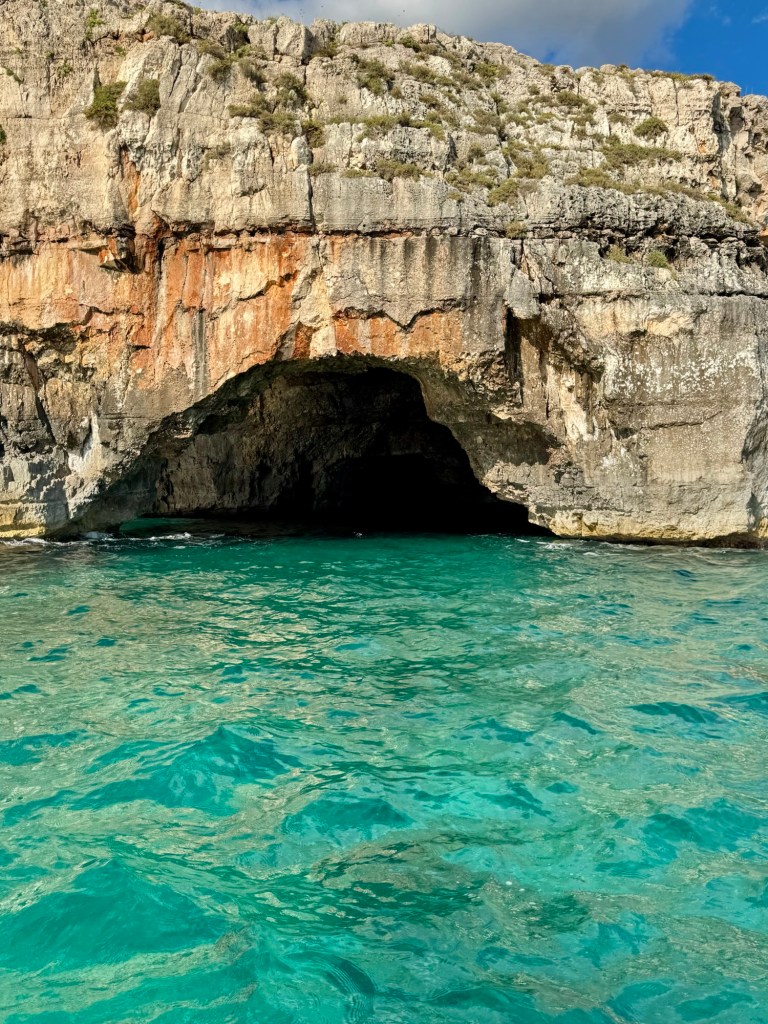
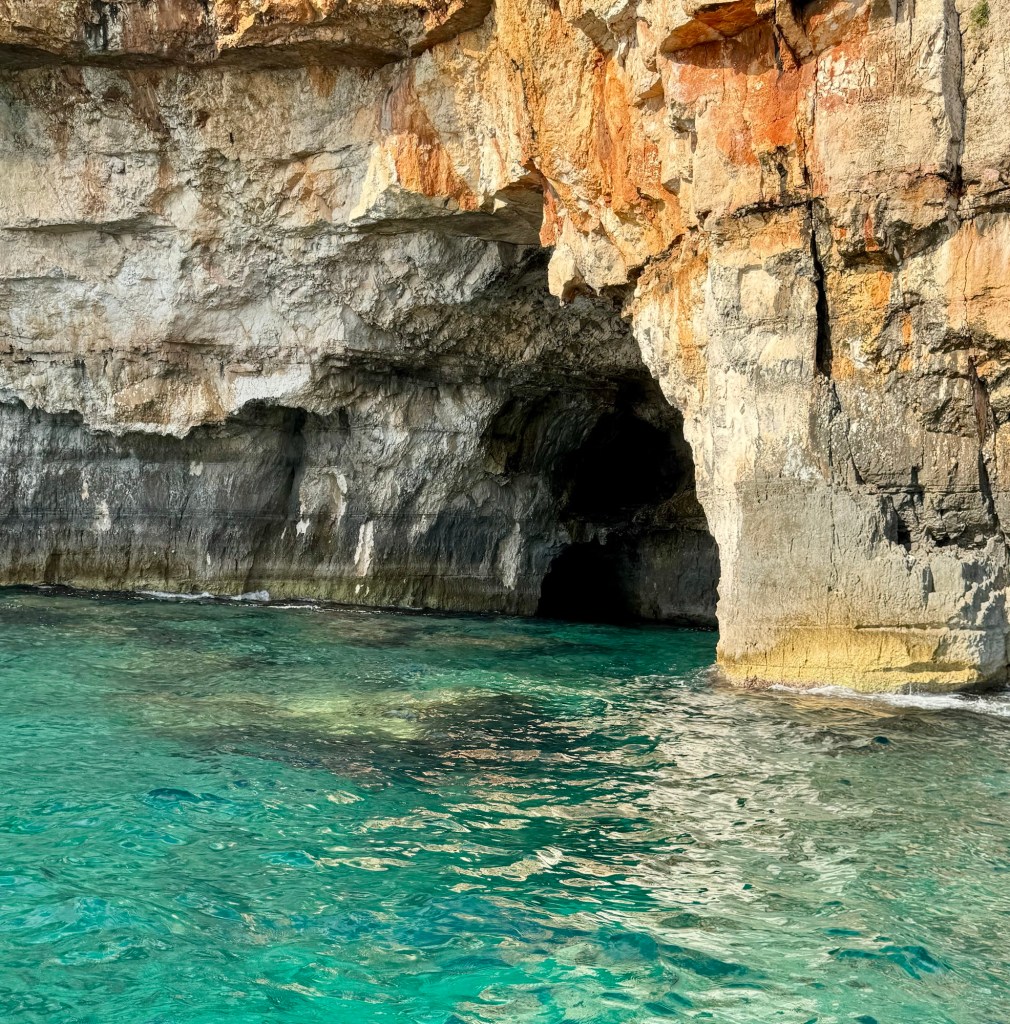
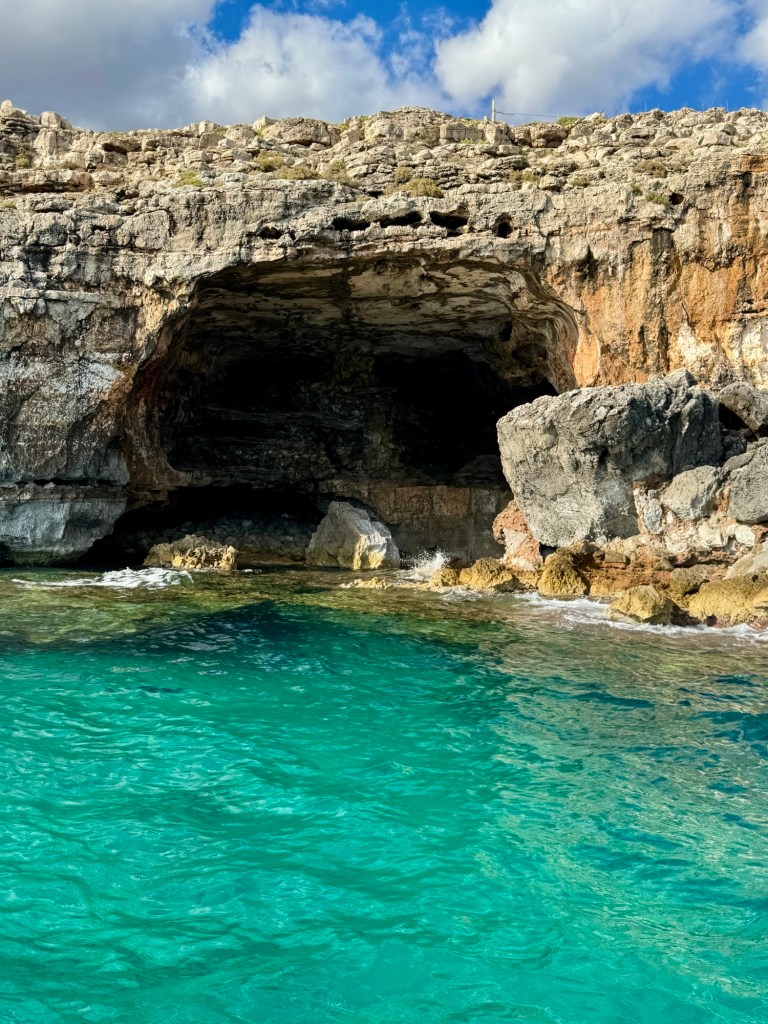
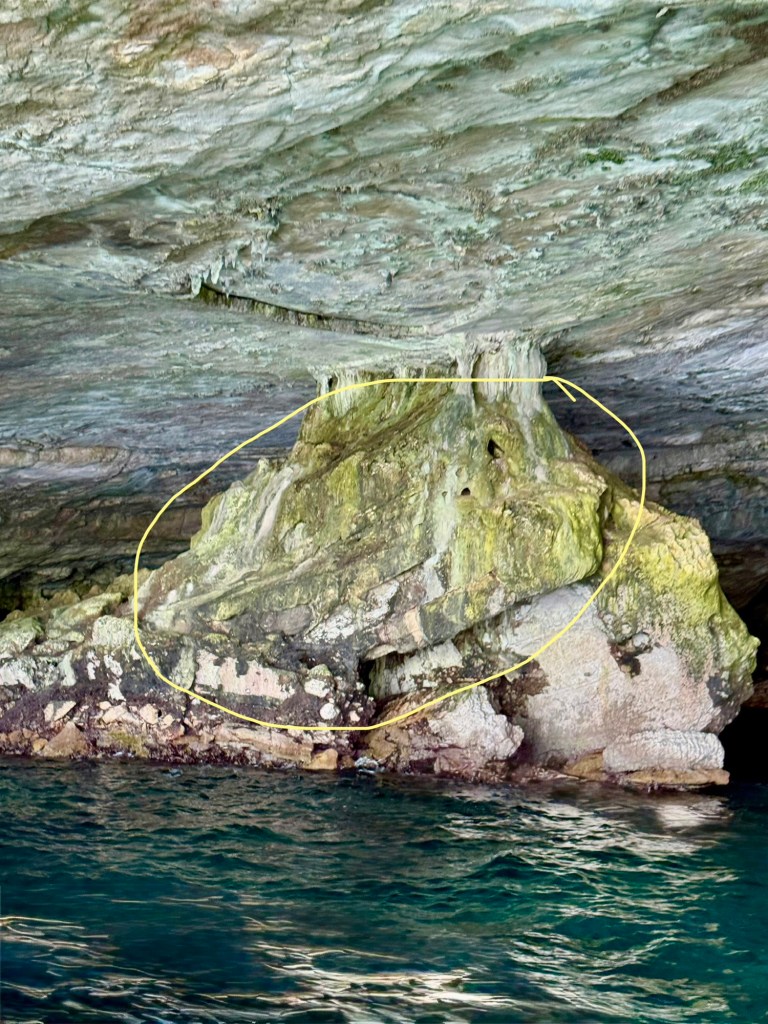
Then we started visiting the caves.
The first cave we visited was on the Adriatic Sea side.
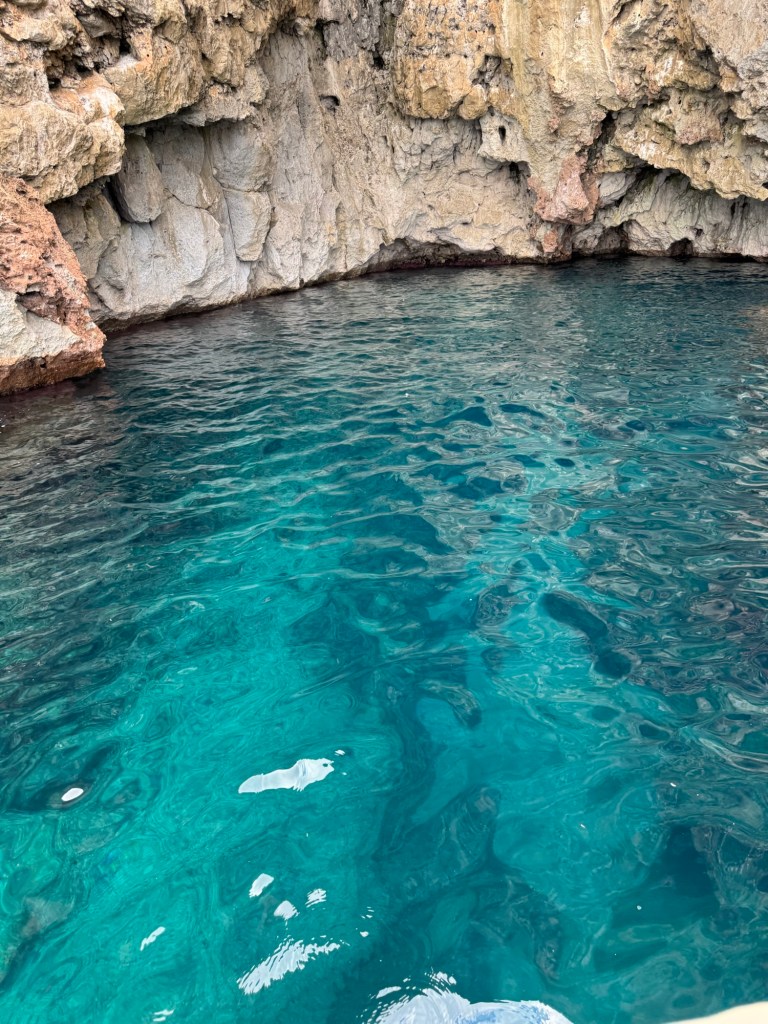
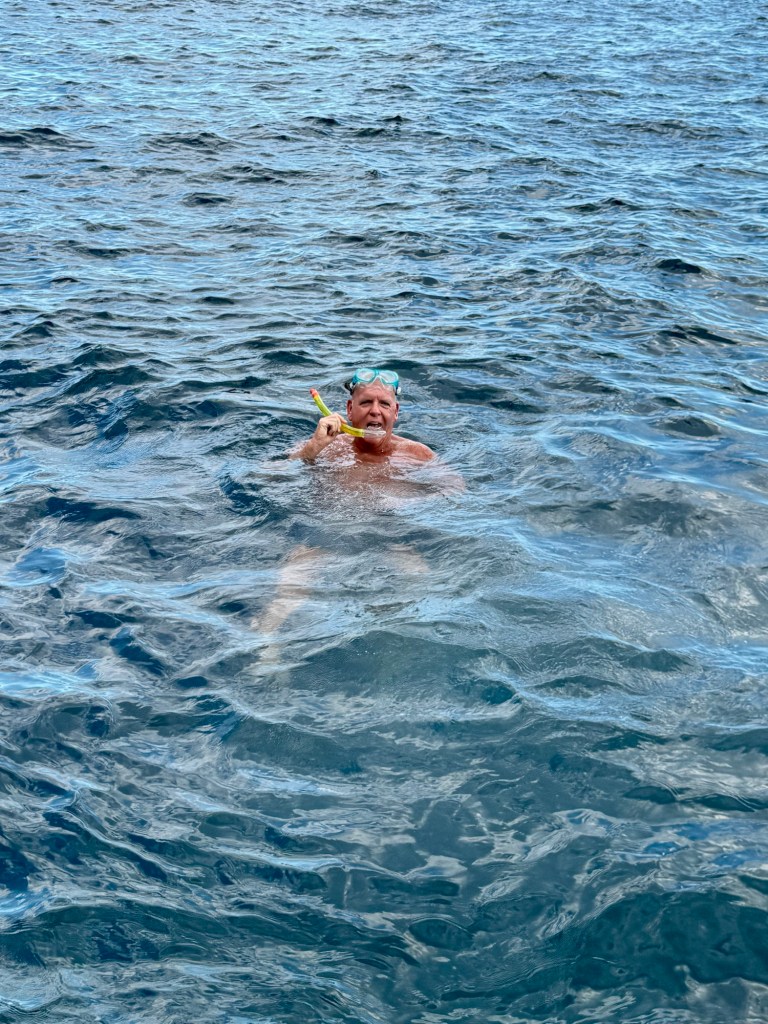
Look at the color of the water. It is from all of the fresh water coming from the rivers in the caves.
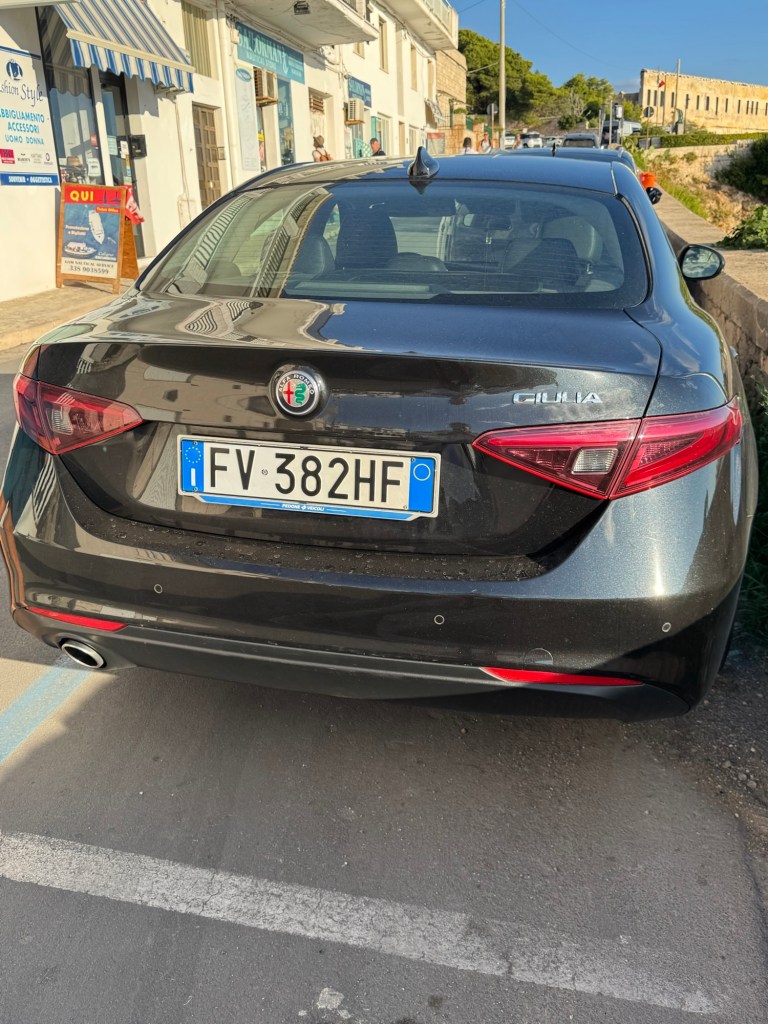
We started our ride back to Lecce.
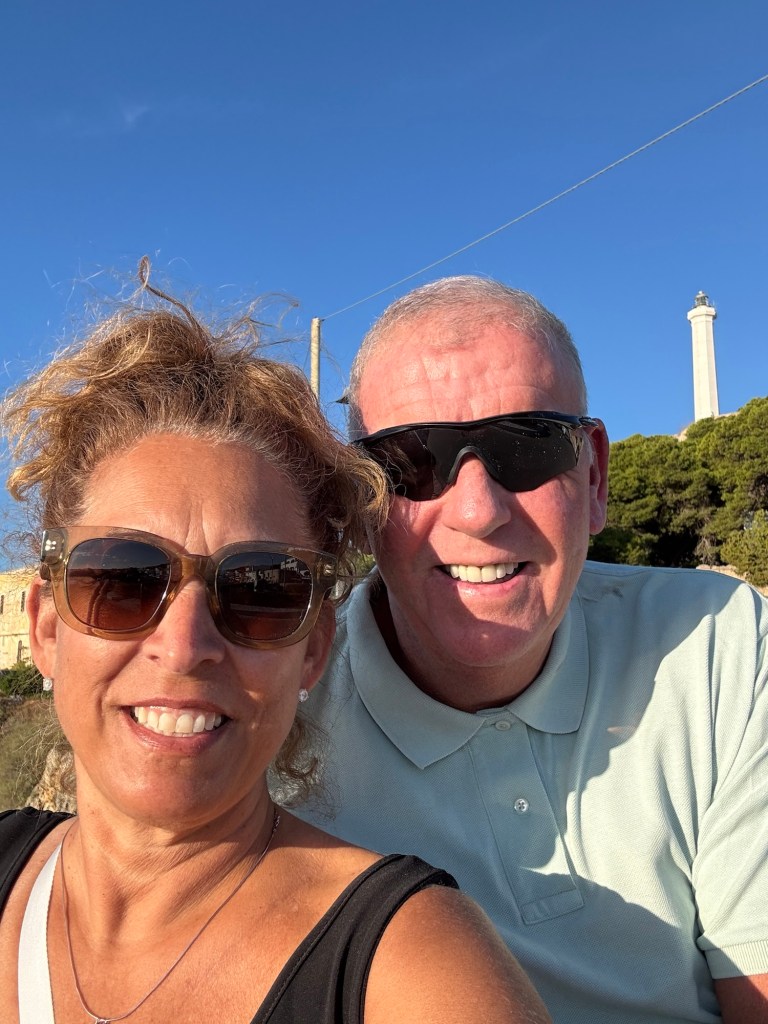
We went to a restaurant around the corner from where we were staying.
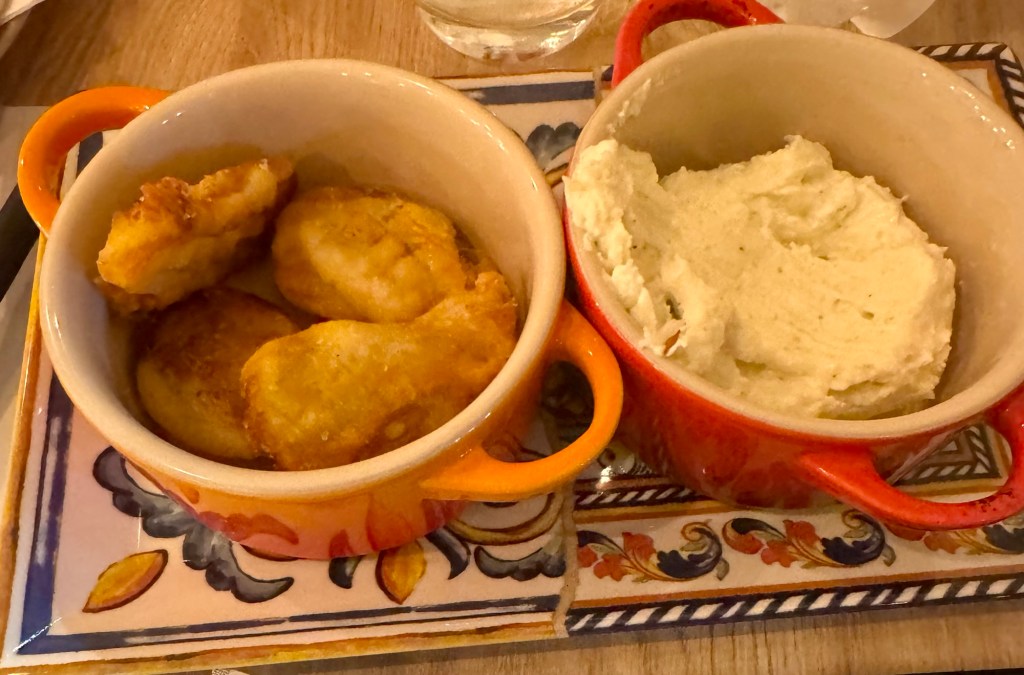
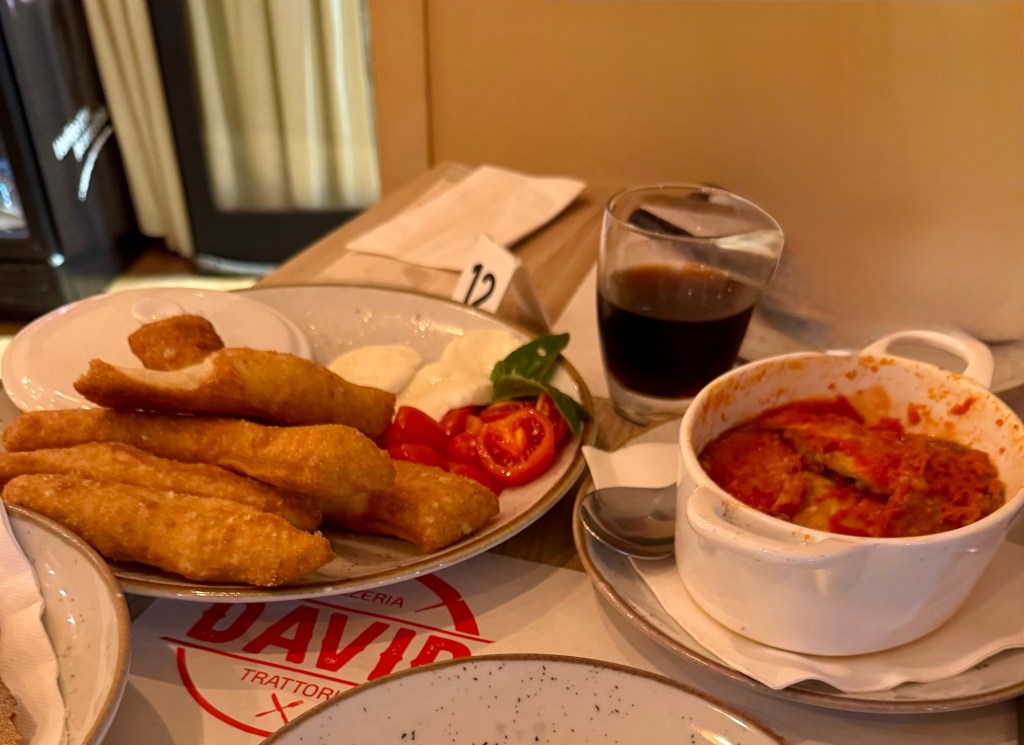
That’s it. Long day but it was really fun. Tomorrow we are doing a walking tour around Lecce.
Ciao for now. ❤️


Leave a comment